
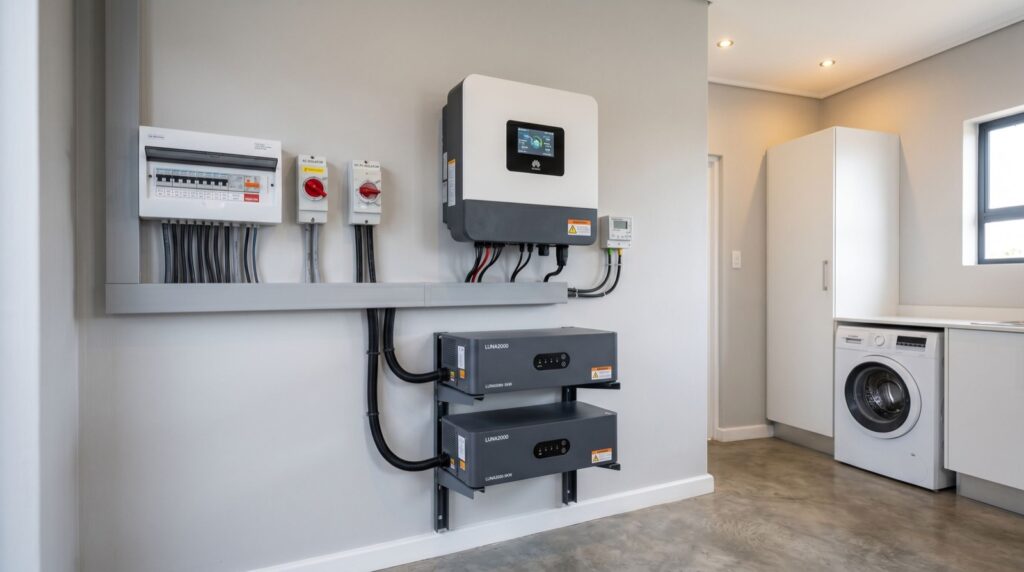
Buying solar products online in Pakistan has become the fastest way to cut electricity bills, and the range of solar panels, inverters and batteries available in 2026 is wider than ever. Yet many first-time buyers still feel lost when they open a store page and see dozens of specifications. This guide walks you through how to shop for a complete solar setup online, what to check before you pay, and how to avoid the common mistakes that leave people with underperforming systems. Whether you want a small backup unit or a full rooftop array, understanding the parts is the first step to a smart purchase.
Why Buying Solar Online Makes Sense in 2026
Grid tariffs across Pakistan have climbed steadily, and the payback period on a rooftop system now sits between three and five years for most households. Ordering online lets you compare wattage, warranty and price side by side instead of relying on a single showroom.
Reputable online solar stores publish full datasheets, so you can verify panel efficiency, inverter surge capacity and battery cycle life before committing. That transparency is hard to get from a walk-in shop where the salesperson controls the information.
Delivery networks now reach even secondary cities, and many stores bundle mounting hardware with the main components. When you combine a good product catalogue with professional support, buying a system online becomes both cheaper and more reliable than it was a few years ago.
The Core Components You Are Actually Buying
A working solar system is not one product but a set of parts that must match each other. Getting the sizing right matters more than chasing the lowest sticker price.
- Solar panels — the generators. Monocrystalline half-cell panels dominate the 2026 market for their efficiency in Pakistan’s high heat.
- Inverter — converts DC to usable AC. Hybrid inverters let you add batteries later without replacing the unit.
- Battery bank — stores energy for night and load-shedding. Lithium options now beat lead-acid on lifespan and depth of discharge.
- Mounting and cabling — the structure and wiring that hold everything together safely.
When you price a battery upgrade, always compare cost per usable kilowatt-hour rather than the headline figure. You can review current options and the lithium battery price in Pakistan to see how modern packs stack up against older technology on value.
How to Size a System Before You Order
Sizing prevents the two most expensive mistakes: buying too little and running out of power, or buying too much and wasting money. Follow a simple sequence.
- Add up your monthly units (kWh) from your last three electricity bills.
- Divide by 30 to get average daily consumption.
- Divide daily consumption by roughly 4.5 sun-hours to estimate the panel array size in kW.
- Match the inverter rating to your peak simultaneous load, then add 20% headroom.
- Size the battery to the number of backup hours you actually need at night.
This method keeps you honest about your real needs instead of buying whatever package looks impressive.
System Size Quick Reference
| Home Type | Typical Load | Recommended System | Battery Backup |
|---|---|---|---|
| Small apartment | Fans, lights, TV | 1.5–3 kW | 2.4 kWh lithium |
| Medium house | + 1 AC, fridge | 5 kW | 5 kWh lithium |
| Large house | 2–3 ACs, pumps | 8–10 kW | 10 kWh lithium |
| Small commercial | Shop or office | 12–15 kW | Optional / grid-tie |
Use the table as a starting point, then refine it against your own bills. Efficiency figures from bodies like the International Renewable Energy Agency confirm that correctly sized systems deliver far better long-term returns than oversized ones.
Installation: The Step Most Buyers Underestimate
Great components installed poorly will disappoint you. Panel angle, shading, cable gauge and earthing all affect output and safety. This is where professional help pays for itself.
A qualified crew handles structural mounting, net-metering paperwork and inverter configuration correctly the first time. If you want the hardware and the fitting handled together, professional solar installation services remove the guesswork and protect your warranty.
Before booking any installer, confirm they provide a commissioning report and after-sales support. Working with reliable local experts means someone accountable is there when you have a question months later.
Checklist Before You Click “Buy”
Run through these points on every product page to avoid regret.
- Confirm the panel and inverter brands carry a genuine local warranty.
- Check the inverter is hybrid-ready if you plan to add batteries.
- Verify battery cycle count and depth of discharge, not just capacity.
- Read the return and replacement policy carefully.
- Ask whether installation and net metering are included.
Understanding Warranties and After-Sales Support
The warranty is often the difference between a good purchase and a costly one. Solar panels typically carry a product warranty of ten to twelve years and a performance warranty of twenty-five years, guaranteeing a minimum output over time.
Inverters usually come with a five to ten year warranty, while lithium batteries are rated by cycle count and years. Always read whether the warranty is honoured locally or requires shipping parts abroad, because a warranty you cannot easily claim is worth very little.
Good after-sales support means the seller answers questions, supplies spare parts and can send a technician if something fails. Before you buy, ask exactly how support is delivered and how quickly issues are resolved. A store that stands behind its products long after the sale is the one worth choosing.
Financing and Payback in 2026
Many buyers now spread the cost of solar rather than paying everything upfront. Several banks and vendors in Pakistan offer instalment plans, and net metering lets you sell surplus power back to the grid to accelerate your return.
When you calculate payback, include the rising cost of grid electricity, not just today’s tariff. As bills climb each year, the savings from your system grow, shortening the real payback period. Factor in minimal maintenance costs and the twenty-five-year panel lifespan, and solar remains one of the strongest household investments available in 2026.
Frequently Asked Questions
Is it safe to buy solar panels and batteries online in Pakistan?
Yes, as long as the store publishes full datasheets, honours manufacturer warranties and offers verifiable support. Stick to sellers with clear return policies and real customer service channels.
How long does a solar system take to pay for itself?
For most homes in 2026 the payback period is three to five years, after which the electricity you generate is essentially free for the remaining panel lifespan of 25 years or more.
Should I buy lithium or lead-acid batteries?
Lithium costs more upfront but delivers far more usable cycles and a deeper discharge, making its cost per kilowatt-hour lower over the battery’s life. Most new buyers now choose lithium.
Do I need an installer or can I set it up myself?
Small plug-in kits can be self-installed, but any rooftop array wired into your home should be fitted by professionals for safety, warranty and net-metering compliance.
Final Thoughts
Buying solar online in Pakistan is a genuinely smart move in 2026 when you approach it methodically. Size your system from real consumption data, match every component to the next, and lean on qualified installers for the physical work. Compare the lithium battery price in Pakistan against older options, read the warranties, and confirm support before you pay. Do that, and your rooftop investment will keep cutting bills for decades to come.