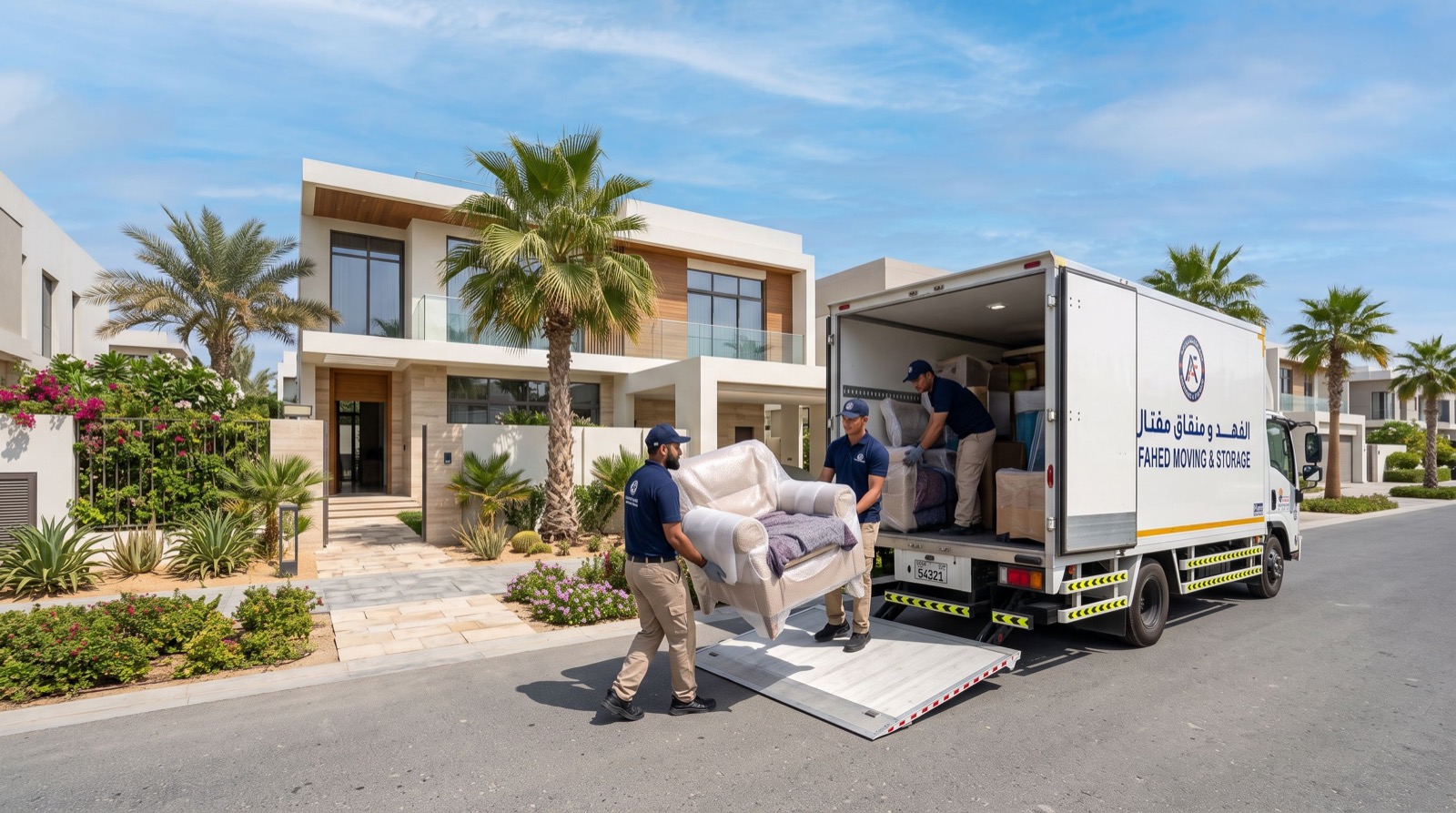
Furniture Movers in Dubai: A 2026 Room-by-Room Protection Playbook
Relocating a home is rarely about the boxes. The real anxiety sits in the sofa you saved six months for, the glass dining table from a weekend in Abu Dhabi, and the wardrobe that barely fit through the door the first time. Hiring experienced furniture movers in Dubai turns that anxiety into a predictable, insured process. This 2026 playbook walks you room by room, so nothing cracks, scuffs, or vanishes between your old address and the new one.
Dubai moves fast, and so do its residents. With lease cycles tied to annual renewals and a rental market that keeps shifting, thousands of households relocate every month. The difference between a smooth day and a ruined weekend usually comes down to preparation and the crew you trust.
Why Furniture Deserves Its Own Moving Strategy
Clothes and kitchenware forgive mistakes. Furniture does not. A single drop can bend a bed frame or snap a laminate panel, and summer heat inside a stationary van can warp solid wood within hours. Professional crews plan around these realities.
Good teams assess each piece before lifting it. They decide what to disassemble, what to wrap, and what needs climate-aware timing. That planning is exactly what separates casual labour from seasoned professional movers in Dubai who handle high-value homes daily.
The materials that actually protect your pieces
- Bubble wrap and foam corners for glass tops, mirrors, and screens.
- Stretch film to keep drawers and doors shut without sticky residue.
- Moving blankets for wooden surfaces that scratch easily.
- Corrugated sheets between stacked items in the truck.
- Hardware bags labelled per item so reassembly stays painless.
How Do You Protect Furniture During a Dubai Move?
Start by photographing every large item before packing. Photos settle any dispute over pre-existing marks and guide reassembly later. Next, empty drawers, because loose contents shift weight and strain joints during transit.
Then follow a simple rule: disassemble anything that comes apart safely. Bed frames, modular sofas, and flat-pack wardrobes travel better in pieces. Wrap each component separately and keep its screws in a labelled bag taped to the largest part.
Finally, load heaviest items first and strap them to the van wall. A well-loaded truck barely shifts during Dubai’s stop-start traffic, and that stability protects everything inside.
A Room-by-Room Breakdown
Every room carries its own risk profile. Here is how careful crews approach each one.
- Living room: TVs ride in original boxes or padded flat-screen cases. Sofas get stretch-filmed, and glass coffee tables travel vertically.
- Bedroom: Mattresses go into sealed covers, headboards get blanket-wrapped, and mirrors travel flat between rigid boards.
- Kitchen: Appliances are drained, dried, and secured; small items nest inside larger pots to save space.
- Home office: Cables are bagged and labelled, and monitors ride upright in foam.
- Outdoor and balcony: Rattan and metal sets are cleaned of sand first, since grit scratches finishes in transit.
Packing Materials Compared
| Material | Best For | Reusable? | Relative Cost |
|---|---|---|---|
| Moving blankets | Wood, cabinets, dressers | Yes | Medium |
| Bubble wrap | Glass, mirrors, electronics | Limited | Low |
| Stretch film | Drawers, upholstery | No | Low |
| Custom crating | Art, marble, antiques | Yes | High |
| Corner protectors | Frames, tabletops | Yes | Low |
Permits, Timing, and Building Rules
Many Dubai communities restrict move-in hours and require advance notice to building management. Towers in areas like Dubai Marina or Downtown often insist on service-lift bookings and a refundable deposit. Confirm these rules a week ahead to avoid last-minute fees.
Timing matters too. Early mornings beat the heat and the traffic, which protects both your crew and your wooden furniture. For official guidance on residency and relocation logistics within the country, the UAE government portal at u.ae is a reliable reference. If your route crosses emirate borders, check road and permit details through the Dubai RTA before the day arrives.
One insider tip most people miss
Measure your new doorways, lift dimensions, and stairwell turns before moving day, not during it. A sectional sofa that fit your old flat may need a hoist or a balcony crane at the new one. Sharing those measurements early lets your crew bring the right equipment the first time.
Seasonal Timing: Working With Dubai’s Climate
Dubai’s weather shapes a good move more than most people expect. Between June and September, afternoon temperatures regularly push past 45 degrees, and that heat punishes both your crew and your furniture. Solid wood can dry and crack, leather upholstery softens, and candles or cosmetics left in drawers simply melt.
Plan summer moves for early morning starts, ideally before 8am, and keep the van doors closed between loading runs. Hydration breaks are not optional for the crew, and a shaded staging area at both homes keeps delicate pieces out of direct sun.
Winter, from November to March, is peak moving season precisely because the mild weather protects everything. If your lease allows flexibility, booking in these cooler months often means gentler conditions for your furniture, though you should reserve your slot earlier because demand is higher.
Humidity matters too. Coastal communities carry more moisture in the air, so wooden items benefit from breathable blankets rather than sealed plastic that can trap condensation during a long day. Small adjustments like these keep finishes pristine from doorstep to doorstep.
Choosing a Crew You Can Trust
Price matters, but reliability matters more. Look for transit insurance, written inventories, and crews that disassemble and reassemble as part of the quote rather than charging extras on arrival. Reading recent reviews helps you separate marketing from experience.
Households that compare quotes carefully tend to land with genuinely dependable specialists who treat a two-bedroom flat with the same care as a five-bedroom villa. That consistency is what you are really paying for.
Frequently Asked Questions
How much do furniture movers in Dubai cost in 2026?
A standard one-bedroom move typically ranges from AED 500 to AED 900, while larger villas can exceed AED 2,500 depending on volume, floor access, and whether packing and disassembly are included. Always request an itemised quote.
Do movers disassemble and reassemble furniture?
Reputable companies include basic disassembly and reassembly of beds, wardrobes, and tables in their standard service. Confirm this in writing, because budget operators sometimes treat it as a paid add-on.
Is my furniture insured during the move?
Professional movers carry transit insurance covering accidental damage. Ask for the policy limits and whether high-value items such as antiques or marble require separate declared cover.
How far in advance should I book?
Book at least one to two weeks ahead, and earlier near month-end when demand peaks. Early booking secures better rates and your preferred time slot.
Final Thoughts
A furniture move succeeds long before the van arrives. Measure carefully, pack with the right materials, respect building rules, and choose experienced furniture movers in Dubai who put protection first. Do that, and your sofa, your glass table, and your peace of mind all arrive intact. Book your survey this week, and turn moving day from a gamble into a routine.